

The Crooked Path
When Christian Language Disguises Lies

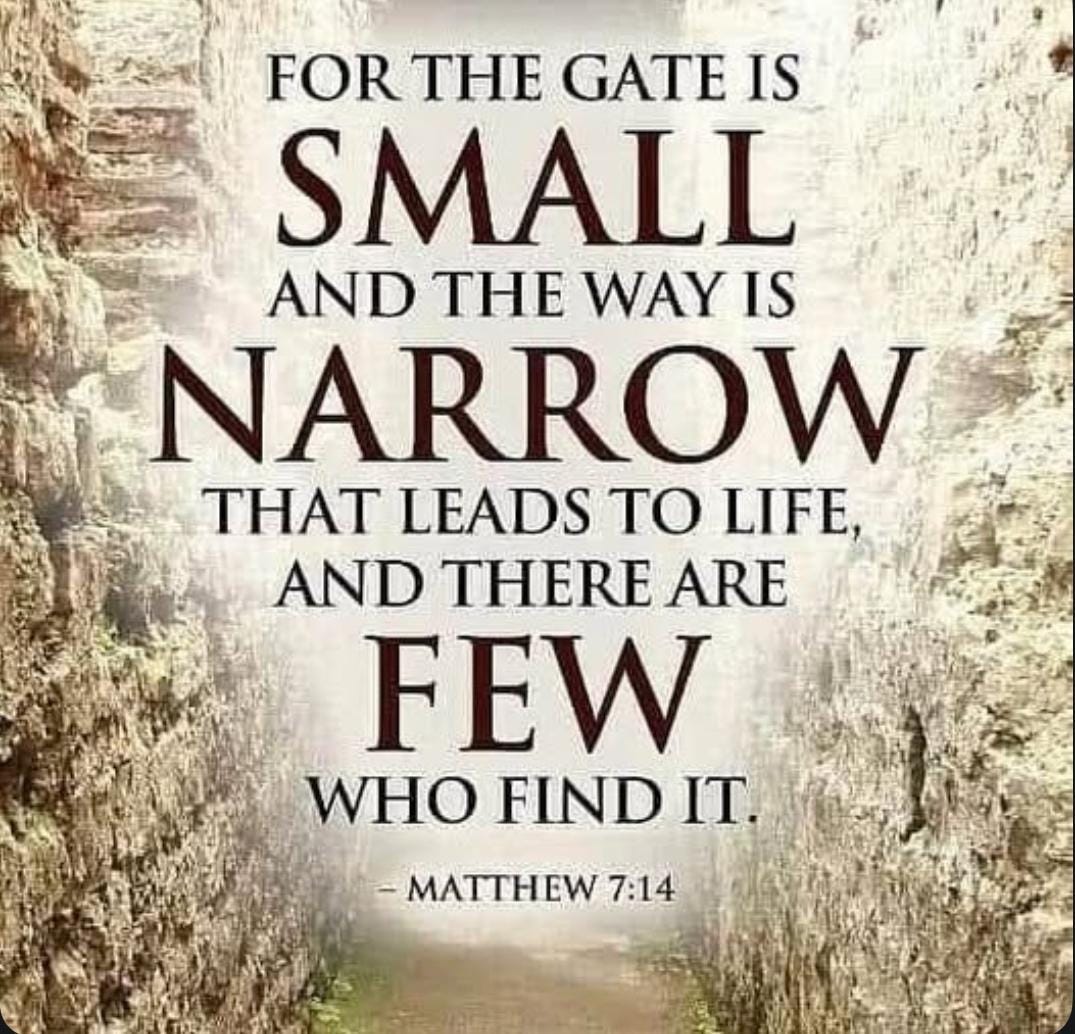
One of the most dangerous forms of confusion occurs when Christian language is used to sanctify ethnic anxiety. The happens when Biblical diction like mission, justice, providence, oppression, repentance, reconciliation, prophetic witness, heritage, and courage are applied in service of stoking fear. The language sounds Christian, but the controlling concern is not the glory of God, the authority of Scripture, the lordship of Christ, or the Great Commission. The dominating concern is protection, vindication, elevation, or preservation of a particular group.
We must therefore learn to discern not only whether someone uses Biblical vocabulary, but also whether such use is governed by a Christian worldview. A person may quote Scripture, speak about missions, condemn oppression, appeal to justice, invoke providence, and call for repentance; all the while reasoning from a non-Biblical perspective. Christian language can be used faithfully but can also be misused rhetorically. When that happens, it can baptize worldly fears and make them appear spiritually noble. A common example is the claim that white Christians built the greatest civilization in history, that Christendom made global missions possible, and that non-white people now refuse to admit this reality while seeking to replace whites. The argument then concludes that preserving the integrity of Western civilization that made gospel missions possible must be a primary Christian concern. The problem is not merely that ethnicity is mentioned in this context. The bigger problem is that it ties the Great Commission to preservation of white ethnic identity. In that argument, whiteness becomes more than simply an historical descriptor; it becomes a civilizational imperative. It becomes something that must be preserved for the sake of the gospel.
This is obviously not Biblical reasoning. Jesus did not say that all authority in heaven and on earth has been given to one civilization, therefore preserve that civilization so the nations can be reached. He said:
“All authority in heaven and on earth has been given to me. Go therefore and make disciples of all nations.” (Matthew 28:18-19)
Such authority belongs to Christ alone. Not to America, or to Europe, or to whiteness, or to blackness, or to any ethnic or national sect. The confidence of the church for mission is not based upon demographic control. It is based in the risen Christ.
This kind of argument also confuses providence with divine endorsement. It may be true that God used the West or white Christians in significant missionary efforts. It is also true that God has used African Christians, Middle Eastern Christians, and countless unnamed believers to spread the gospel; but even if God uses a civilization or a people in a significant way, that does not sanctify them. God used Babylon, Persia, Greece, and Rome in Biblical history; but their providential utility did not make them holy. God may use a nation without making that nation ultimate. God may use a people without making their ethnicity necessary to His redemptive plan for us.
This is precisely where Christian language can become dangerous. “Mission” can be used to protect ethnic dominance. “Providence” can be used to excuse national pride. “Heritage” can be used to preserve ethnic hierarchy. “Law and order” can be used selectively to condemn the sins of another group while minimizing the sins of another. “Christian civilization” can become a way of saying that our people must remain in control. When that happens, Biblical language no longer governs the argument. It is instead decorating an argument which has already been formed by ethnic fear.
This does not just happen among whites. A Biblical critique must be impartial. Christian language can also be used by blacks to sanctify ethnic anxiety. For example, one might say that God is on the side of the oppressed, black people have been oppressed, so that criticism of the black community is an attack upon God’s justice. There is truth in the first part. Scripture does show God’s concern for the oppressed. He heard the cry of Israel in Egypt and sent Moses to free them. The prophets condemned exploitation, partiality, and injustice. The Lord cannot overlook the suffering of the weak and vulnerable; but oppression does not make a group morally infallible. Israel was oppressed in Egypt, but it still sinned in the wilderness. Suffering may expose real injustice, but it does not remove the need for repentance, correction, wisdom, or accountability.
Another example is misuse of the Exodus as a total ethnic framework. The Exodus is a glorious display of God’s power, faithfulness, and justice. It reveals God as the One who delivers His people from bondage; but if the Exodus is turned into a permanent ethnic lens where black people are always Israel and whites are always Egypt, then Scripture is reduced to ethnic symbolism. The Biblical storyline is larger than that. The ultimate bondage is sin and death. The ultimate deliverance is accomplished by Christ. The people of God are not defined by ethnic suffering but by God’s covenant purposes fulfilled in Christ.
Christian language can also be misused through appeals to a ‘prophetic voice’. Someone might assert that because they speak from the black experience, their critique has prophetic authority. Experience can imbue us with insight. It can expose blind spots. It can help others listen more carefully; but experience does not create prophetic authority. In Scripture, prophetic authority comes from God’s revealed word. A claim is not Biblical merely because it is spoken with passion, moral urgency, or from a history of suffering. It still must be tested by Scripture.
Repentance language can also be misused. Native land acknowledgements are a fine example. One might say that if white Christians do not agree with a particular social analysis, then they have not repented of ethnic hostility or partiality; but Biblical repentance is not the same thing as adopting a sociological framework, an activist vocabulary, a voting pattern, or an historical interpretation. There might be real sins to confess. There may be real injustices to acknowledge. There may be real prejudice, neglect, cowardice, or indifference to be confronted. However, Biblical repentance requires truth. Charges must be specific, just, and scripturally defined. Repentance cannot be manipulated into ideological conformity.
Whether black or white, the pattern remains the same. A real concern is taken out of context and then made absolute. White Christians may take genuine gratitude for God’s providence in Western missions and turn it into ethnic preservation. Black Christians may take genuine historical suffering and translate it into moral impunity. White Christians may fear replacement and call it mission. Black Christians my fear erasure and call every critique complicity with oppression. In either case, the danger is not merely emotion; it is that ethnic anxiety will become the controlling lens through which Scripture, history, justice, mission, and love of neighbour are interpreted.
The Biblical worldview gives us a better way. It begins with Creation. All people are made in the image of God (Genesis 1:26-27). That means no ethnic group is superior, and no ethnic group is disposable. Human dignity is not grounded in whiteness, blackness, nationality, history, suffering, achievement, or social location. It is grounded in God’s creation of mankind in His image. The Imago Dei.
A Biblical worldview also includes the fall. We are all tainted by sin:
“All have sinned and fall short of the glory of God.”—Romans 3:23
This means that no ethnic group gets moral immunity. Whites are not uniquely righteous because of missionary history or national achievements. Blacks are not pious because of historical suffering or oppression. Sin operates in every case. Pride, prejudice, bitterness, fear, resentment, envy, self-justification, tribalism, and deceit are not ethnically confined.
A Biblical worldview includes providence but understands it humbly. God uses nations, cultures, languages, institutions, migrations, empires, and even evil actions to accomplish His purposes; but providence does not make any nation supreme. God used Joseph’s betrayal to preserve life, but that did not justify the brother’s sin. God used Assyria as the rod of His anger but still judged Assyria’s pride. God used Rome’s roads, language and political order to spread the gospel, but Rome was not the kingdom of God. Therefore, Christians may give thanks for how God has used a people or nation without sanctifying them.
A Biblical worldview includes redemption. Christ saves sinners from every tribe, language, race, and nation. The gospel does not erase ethnicity but dethrones it. In Christ, no ethnic identity is supreme. The church is not a white project, a black project, a Western project, an African project, or a European one. The church is Christ’s blood-bought people. Paul says that Christ broke the dividing wall of hostility and created one new man, reconciling both Jew and Gentile to God through the Cross. If that is true of the Jew-Gentile schism, then Christians ought to be most careful about constructing new divisions around modern ethnic anxieties.
A Biblical worldview also requires impartial justice. Leviticus 19:15 says:
“You shall do no injustice in court. You shall not be partial to the poor or defer to the great, but in righteousness shall you judge your neighbour.”
This verse is devastating to tribalism. God does not permit us to favor the powerful simply because they have power; nor does he permit us to favor the poor simply because they are destitute. Justice is not tribal revenge. Justice is not ethnic payback. Justice is not protecting “our side”. Biblical justice requires truth, righteousness, proportionality, and impartiality. As Dennis Prager puts it:
“Social justice means you favor one particular group. God’s justice means you favor no one.”
In other words, it is spiritually dangerous to place an ethnic narrative above the whole counsel of God.
So what is the solution to this problem?
The answer is not shallow indifference to ethnicity. Scripture does not require us to pretend that history, ethnicity, culture, and injustice are immaterial. Nor is the answer ethnic suspicion. Scripture does not permit us to interpret everything through the lens of ethnic power or grievance. The answer is Biblical maturity. Christians must learn to discern between true Biblical concern and ideological capture. We must ask “is this argument actually governed by Scripture, or is Scripture being misused to preserve prejudice?”
This is where the issue becomes especially important for internal apologetics. Apologetics is not only about answering atheists, skeptics, Muslims, cults, or secular ideologies outside the church. The church also needs internal apologetics: the work of defending sound doctrine, sound reasoning, and Biblical faithfulness within the Christian community. Internal apologetics helps us recognize when Biblical language is being misused by those claiming Christian authority. It protects the church from being discipled by rhetoric, rather than by Scripture.
This kind of apologetics is necessary because most of us are not deceived by openly anti-Christian arguments. We are fooled by arguments that sound Christian. We are moved by words like justice, mission, repentance, courage, oppression, reconciliation, and truth; but Christian words must be governed by Christian meaning. Otherwise, those words can be used to smuggle ethnic pride, resentment, envy, fear, or prejudice. The church must be able to boldly state that Christ is Lord, Scripture is supreme, sin is universal, justice is blind, and that no ethnic group is specially entitled to salvation.
The apologetic need of the hour is not merely to win arguments against outsiders, but to cultivate discernment among believers. Not merely to identify bad conclusions, but to expose faulty reasoning. Not merely to reject prejudice when it is obvious, but to recognize when ethnic anxiety is cloaked in Christianity. Internal apologetics trains the church to test every claim by Scripture, to resist tribal manipulation, and to keep Christ at the core—not ethnicity, nationality, history, grievance, or heritage.
The gospel does not need whiteness to endure. Nor does it need black grievance to remain morally sound. The gospel does not need America, Europe, Africa, or any nation as its saviour. Christ is building His church. He is gathering His people from every tribe, tongue, people, and nation. The task of the church is not to sanctify ethnic anxiety with Christian language; but to bring every anxiety, every loyalty, every historical claim, every justice claim, and every national claim under the lordship of Jesus Christ.
The devil is not fighting religion. He is too smart for that. He is producing a counterfeit Christianity. One so much like the real one that good Christians are afraid to speak out against it. We can be religious without being godly. We can enjoy public worship without knowing God. We can like the thing itself—religion—preaching, singing, praying and all such things; but there is no real knowledge of God and no real thirst for him, and nothing is more terrible than that. That is why proximity to Jesus is not the same as following Him; and why the greatest danger to Christendom—is us.
We need to confront the flatteries of false teaching. That the pen is mightier than the sword is not just a fundamental principle of the West—it is a basic pillar of Christianity, apart from which there would be no West. The only reason we enjoy the freedoms we do is because our forefathers believed that the truth—ultimately embodied in Christ—provides the only stable basis for society; and that so long as truth is proclaimed, there exists the power to transform ourselves, our nations, and the world.
When reading Scripture, the first thing we notice is that the focus is very different from that of secular history books. Granted, the key events of various empires and powers are acknowledged, but even this is mostly incidental. One minute Babylon or Assyria or Egypt appear as a totalizing power; the next they are conquered or displaced. This is consistent with Christianity, which has always affirmed that the greatest power mankind can produce is nothing compared to the living, enduring Word of God. Consider that the good news of the Gospel did not come down as an edict from the king. Rather, it was a message spread by poor, powerless people, and has been ever since. What this means is that if we have the truth—if the Word of Christ “dwells in us richly”—we have everything; and that if we have everything but the truth, we have nothing.
We now live in an age when everyone is encouraged to believe whatever they like and no one is allowed to say anything against it. This is the language of secular pluralism. In contrast to this prevailing worldview, there is the church, which the Apostle Paul calls “a pillar and a buttress of the truth.” The church takes her marching orders from Jesus Christ. It is her duty to preach and teach that not all ideas are valid; that some are positively evil and must be condemned, and that others are so essential that they must be absolutely affirmed. One of the greatest threats to the life and witness of the church is false teaching. This makes sense if you think about it for a moment. If all we have is the truth, then whatever would threaten and undermine that truth must be opposed. The other thing to keep in mind is what Paul states in 1 Timothy 4:1:
“The Spirit clearly says that in later times some will abandon the faith and following deceiving spirits and things taught by demons.”
In other words, false teaching is not something that just existed in the first centuries of the church. It remains an ever-present threat until Christ returns. What this means for Christians is that we must assume a continual posture of humble vigilance. Towards the world, yes—especially toward ourselves, toward the monster lurking within our own corruptible hearts.
The New Testament reveals that the greatest threats confronting the church do not come from without, but from within. One of the unique features of Christianity is that unlike the base tribal impulses that come naturally for fallen humanity, Christians do not locate evil exclusively in some other person or group. Instead, we recognize that all have sinned and fallen short of the glory of God. The problem is that we have become so accustomed to hearing this that we can lose all sense of its originality; we can start reciting it as a mantra rather than clinging to it as bedrock reality. Yet the Bible places particular emphasis upon putting off our own individual sin. Does this mean that we are unconcerned with the external world? Certainly not. To love God and our neighbour requires us to do justice, to care for the poor, and to give voice to the voiceless; but the humility and desire to do these things starts with acknowledging and confessing the corrupt propensities of our own hearts.
Authentic Christianity is characterized by a perpetual desire for holiness—an ongoing quest to be like Jesus. Christians realize that even though we are reborn, the old nature is constantly fighting against us. There is always lingering sin to confess and put to death. As it says in 1 John 1:8:
“If we say we have no sin, we deceive ourselves and the truth is not in us. But if we confess our sin, He is faithful and just to forgive us and cleanse us from all unrighteousness. If we say we have not sinned, we make Him a liar and the word is not in us.”
Many think that Christians are people who go around pretending that they are better than everyone else. That is surely one of the easiest ways to cover our own guilt, by talking about the flaws and failures of others. This is the essence of Wokeness. In setting up a moral standard apart from God’s Word, we leave off comparing ourselves to his righteous standard and instead compare ourselves to others; but a true Christian is one who recognizes that apart from Christ, we are just as prone to do evil as everyone else. We know that there was only one human being who ever perfectly loved God and others, and that He died the death that we deserve for our own sins. A Christian acknowledges and lives in the reality that nothing good dwells in our flesh; that we are just as reliant upon God’s grace on year 90 as in year one. Only those who become less aware of their need for Christ fall away from Him and thereby reveal that they never truly knew him. Without humble acknowledgement of sin in our hearts, we blame and accuse others, and so there is no Christ in us:
“And then will profess unto them, I never knew you: depart from me, ye that work iniquity.”—Matthew 7:23
In recent years, there has been a massive shift away from humble acknowledgement of our own sin to inordinate focus upon the sins of others. Prior to Covid, I honestly paid little attention to politics. Like many of you, my life was taken up with the immediate concerns of my family, my career, and myself; and then there was a shift. Suddenly, forces from outside were having a huge impact upon my life to such an extent that I needed to stop and figure things out. That is what spawned by writing and then, eventually, the GreyMatter Podcast. What I have noticed since the Pandemic is that so many of us have become more aware of the wolf at the door and far less aware of the one living inside each of us.
There is a way to engage in the so-called culture war that is just a cover. By joining the “right side” of a certain movement, we begin to believe that this somehow makes us righteous; but no one is justified before God merely by participating in the right cause or by opposing the right thing. The real battle lines are drawn between those who recognize the sin in our own hearts and those who do not. Frankly, I think that there are many engaged in culture war who think they are on the good side when in fact they are not. Which is why, increasingly, we see that “left” and “right” are just the same team with different jerseys. They are both fighting the same war and relying upon the same old failed strategies.
A chief trait of false teaching is that it lets us draw lines other than where God’s word does. “I am white”, “I am Canadian”, “I affirm traditional gender roles”, “I want beautiful architecture”, “I lift weights”. Such things become what sets us apart from others; but according to Scripture, the only distinction that matters is faith or unbelief. The only thing that matters is worship of the one true God as opposed to false idols—including ourselves. One day, we must all stand before the Lord of Hosts. He is not going to ask if we were of European descent, married to a white woman, or if we voted conservative. His only question will be: “Did you love my son?”
When we blame and condemn others at the expense of being honest about ourselves, we become hypocrites and frauds. True Christians recognize that the greatest commandments —to love God and our neighbours—are the only moral standards by which we are judged. The advance of Christendom will only occur once we subject ourselves to the scrutiny of this standard, confess where we fall short, and seek His grace and power to be transformed. Put simply, false teaching is whatever contradicts the standard of the Word of God and produces the fruit of ungodliness. These things always go together. False teaching necessarily affirms our sinful desires. How do we know when we are living contrary to the truth? Well do you ever find yourself being challenged? Confronted? Contradicted? Today, we are told to view whatever contradicts us as a threat; but according to Scripture, feeling challenged or confronted indicates that God is at work in our lives—as the lifeline we never knew we needed. Conviction feels awful when we suddenly realize that we have been wrong about a lot of things. That we might have to change our minds and so change our own lives; but godly grief that brings repentance is the only path forward.
Recall what it felt like to be reborn to Christ. We go through this very uncomfortable phase of being confronted by all kinds of things that we never knew were problematic. The truth is that the Christian life never stops being about that. It is about becoming comfortable with discomfort; but false teaching does not do that. It never confronts us. In fact, it flatters us. It makes us feel proud. It affirms us in our sin. Now, it can be difficult sometimes to predict the consequences of ideas. Not everyone is able to identify a logical contradiction all of the time. What we can do is observe the fruit of ideas. Does a certain belief or doctrine make us godlier? Does it make us more like Christ? Does it make us love others more? Does it make us despise our own sin and cry out to God for mercy? Does it produce peace amongst brothers, or does it sow discord?
In Timothy, Paul says that sound doctrine is healthy doctrine. He uses the word “healthy” because false doctrine produces bad fruit, while sound doctrine produces good fruit:
“It agrees with the sound words of Jesus Christ and the teaching that accords with godliness.”—1 Timothy 6:3
Here we have the correct standard, the words of Jesus Christ; and the fruit, the teaching that aligns with godliness. False doctrine claims to be Christian but contradicts the teachings of Scripture and produces ungodliness: envy, discord, slander, evil suspicions, and constant friction with our neighbours. Those who cling to false teaching, especially the kind that is currently circling in popular culture, reveal a paucity of godliness, total disregard for authority, and a base unwillingness to listen or acknowledge their own wrongs. All of which brings us to the real danger of false teaching.
It spreads like wildfire because it not only affirms our sinful desires, but also because it rebrands them as righteous. “I am a defender of Christendom!” “I am a defender of the West!” “I care about my ancestors!” “I care about orthodoxy!” All lies. The reason it spreads so quickly is explained in Proverbs 17:4:
“An evildoer listens to wicked lips, and a liar gives ear to a mischievous tongue.”
And in 2 Timothy 4:3:
“For the time will come when people will not put up with sound doctrine. Instead, to suit their own desires, they will gather around them a great number of teachers to say what their itching ears want to hear.”
Why do we entertain lies? Because we are liars. Why do we listen to evil? Because we are sinners. It is not complex. Evil people love evil teaching, and false teaching lets us justify ourselves rather than confess our corruption and our need for the true and better righteousness of Christ. The result is what we are experiencing today: rampant sin and division between brothers, families, churches, and nations.
So what should our response be to all of this?
In the initial few chapters of Revelation, Jesus sends 7 letters to 7 churches, each containing a series of rebukes, encouragements, and warnings. In , Jesus says:
“Nevertheless, I have a few things against you: There are some among you who hold the teaching of Balaam, who taught Balak to entice the Israelites to sin so that they ate food sacrificed to idols and committed sexual immorality. Likewise, you also have those who hold to the teaching of the Nicolaitans. Repent therefore! Otherwise, I will soon come to you and will fight against them with the sword of my mouth.”
Notice here that it is not the entire church that holds to these things—it is just some of them. Yet Jesus includes the entire church in his warning. He says that if such things are tolerated in your midst, you are not going to be able to make the excuse, “well, it was them, and not me.” He promises to wage war against them. We cannot love what Jesus hates. We cannot poison His people and still be on His side. We cannot have peace with Him while we wage war upon his flock; and make no mistake—to tolerate false teaching is to wage war against His sheep.
In all of us, there is a proclivity to listen to lies; because lies tell us the things about ourselves that we want to believe. That we are awesome and that nothing needs to change, especially not us. This is not just false teaching—it is anti-Gospel. It is opposed to Christ and everything He accomplished for us.
By God’s grace, and with His help, we can and must reject it.
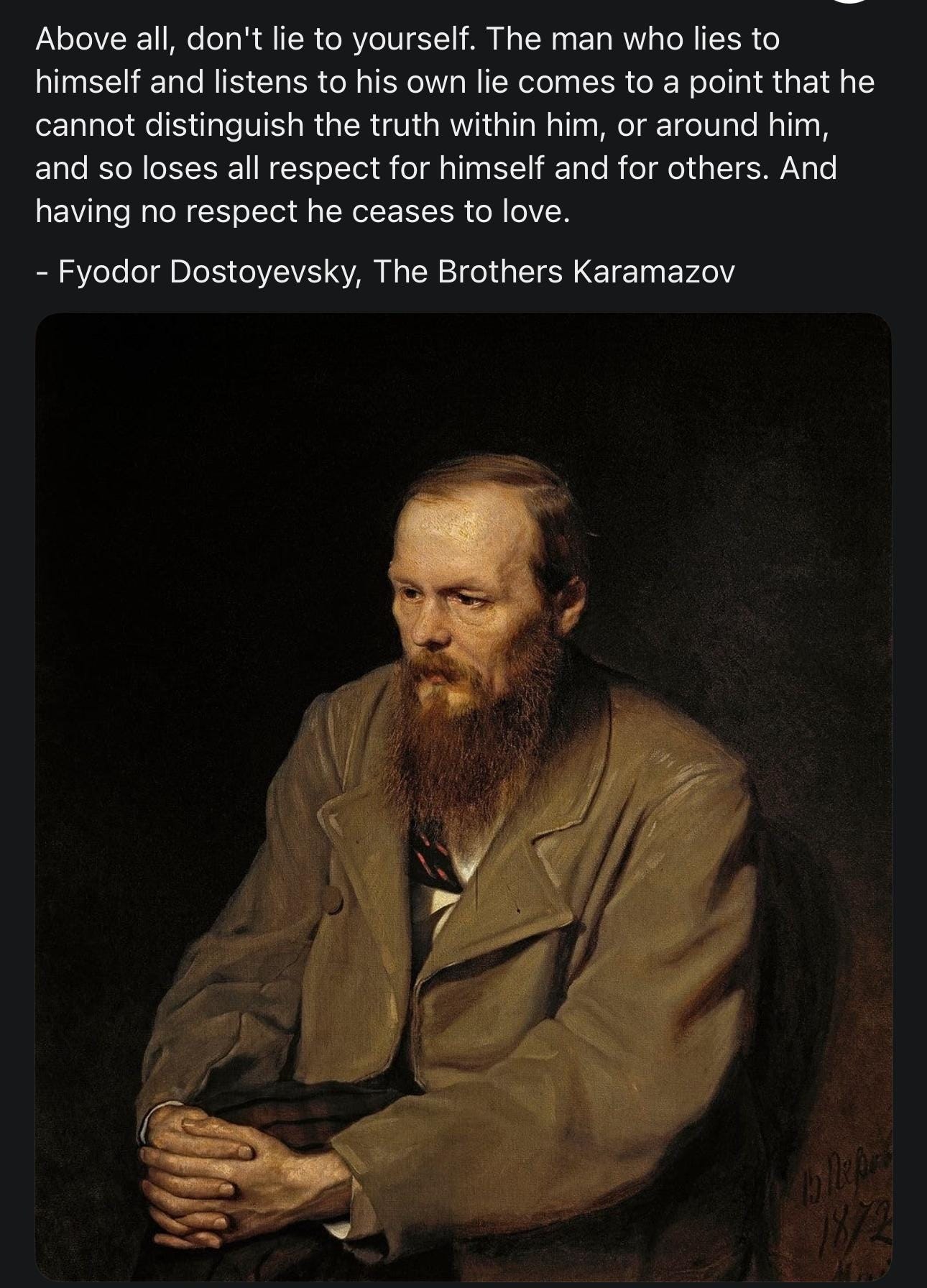
Watch the full commentary here:
Thank you.